The Root Cause of Chronic Health Issues in My Child

January 27, 2026

Discovering the Root Cause of Chronic Health Challenges in Our Kids

As parents, we’re often told that the answer is to do more.
More therapies. More appointments. More specialists. More tools.

So you say yes to speech therapy, occupational therapy, feeding therapy, behavioral therapy. You try supplements, dietary changes, sensory supports. You rearrange your life around appointments because you love your child and you want answers.

Yet despite all of that effort, progress feels slow. Or inconsistent. Or stalled entirely.

And eventually, the question creeps in: What are we missing? Why isn’t this working?

If you’re exhausted and feel like you’re doing everything possible while still pushing uphill, this message is for you.


The Missing Piece Most Families Are Never Told About

Here is an important truth many parents are never given the opportunity to hear:

Your child doesn’t need more therapies first.
They need a regulated nervous system.

Every week, families walk into our practice carrying the weight of doing everything. Four, five, sometimes six therapy sessions a week. Countless strategies layered on top of one another. All driven by love and determination.

But when we ask a simple question — “Has anyone ever evaluated your child’s nervous system?” — the answer is almost always no.

Yet the nervous system controls everything.

Today, nearly one in six children has a developmental challenge. That means millions of families are stuck in a cycle of chasing symptoms while the underlying system responsible for coordination, regulation, and healing is never addressed.


You Can’t Build on an Unstable Foundation

Imagine trying to renovate a home with a cracked foundation.

You could repaint the walls, replace the flooring, buy beautiful furniture — but nothing would hold. The structure would continue to shift, settle, and strain.

That’s what happens when therapies are added without first stabilizing the nervous system.

The nervous system is the foundation. It directs speech, movement, digestion, sleep, immunity, emotional regulation, and behavior. When it is stressed or stuck in survival mode, the body cannot organize or integrate information effectively.

Therapies aren’t wrong.
They just can’t fully work when the foundation underneath them isn’t stable.

And most parents are never told to pause and ask: Is my child’s nervous system ready for all of this input?


How the Nervous System Becomes Overwhelmed Early in Life

We often see what’s known as a “perfect storm” — layers of stress that begin far earlier than most people realize.

Stress can start during pregnancy. Physical, emotional, or chemical stress experienced by a mother directly influences a baby’s developing nervous system.

Birth adds another layer. Even uncomplicated births place stress on a newborn’s spine and nervous system. When interventions such as inductions, epidurals, forceps, vacuum extraction, or cesarean deliveries are involved, that stress increases significantly.

After birth, the nervous system continues to absorb stress from early illnesses, antibiotics, reflux, ear infections, environmental toxins, screen exposure, and increasing developmental demands.

Over time, the nervous system can become overwhelmed and stuck in a constant stress response. When that happens, regulation becomes difficult and development feels harder than it should.


Why Doing More Can Sometimes Make Things Harder

This is where many parents feel discouraged — and unnecessarily guilty.

When a nervous system is already overloaded, adding more input can overwhelm it further. Think of plugging too many devices into a single outlet. Eventually, the system shuts down.

This is why families often see early gains followed by plateaus.
Why therapy sessions become more difficult.
Why sleep worsens, meltdowns increase, or regression appears.

It isn’t because your child isn’t capable.
It isn’t because you didn’t do enough.

It’s because the foundation was never supported first.


What Changes When the Nervous System Is Supported

Here is where hope enters the picture.

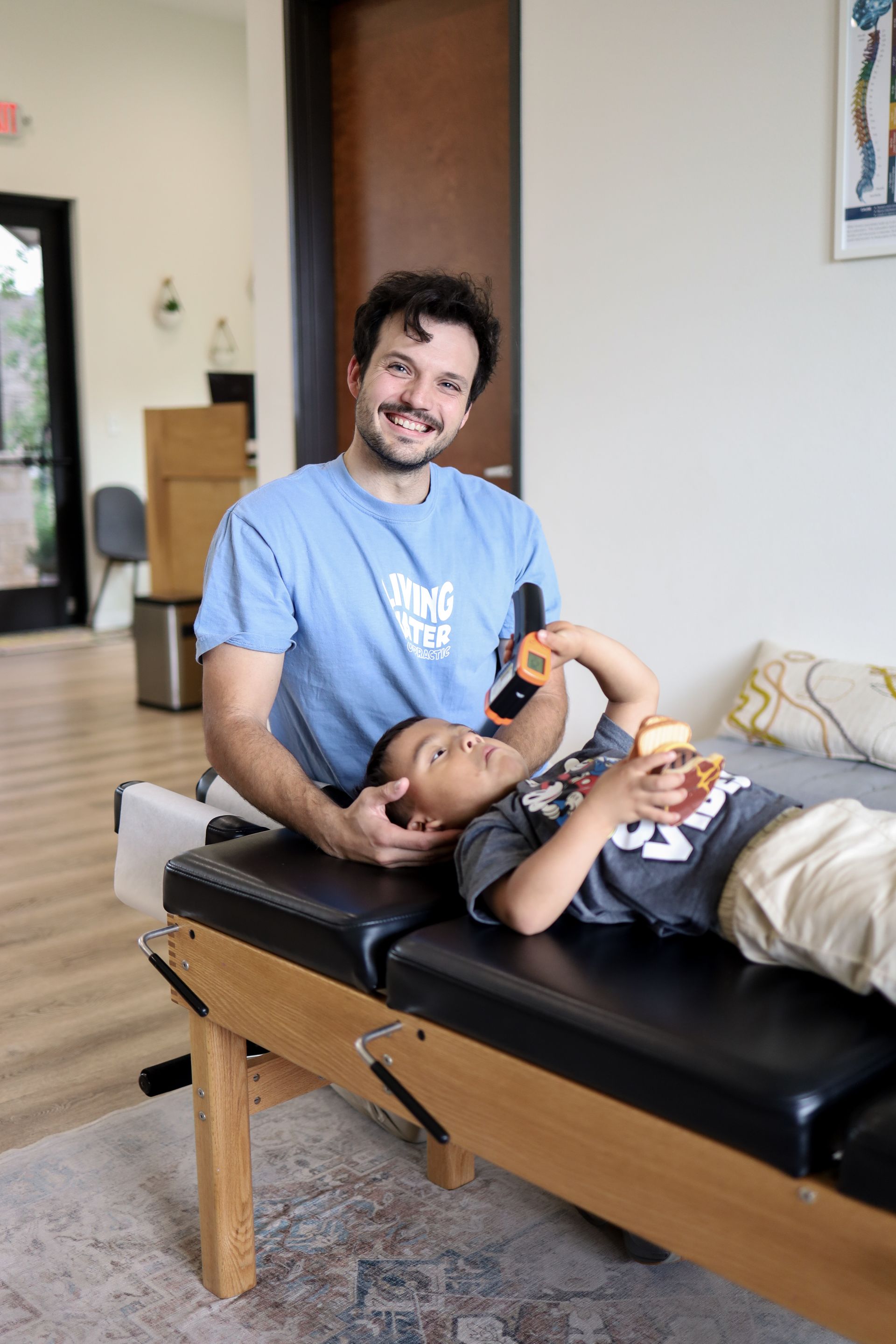
Neurologically-focused chiropractic care is designed to assess and support the function of the nervous system itself.

Using advanced technology such as INSiGHT Scans, we can identify areas where the nervous system is stuck in stress mode. Gentle, precise adjustments help the body release stored tension and restore its natural ability to regulate and adapt.

When the foundation stabilizes, families often notice powerful shifts:

Therapies begin to progress more efficiently.
Speech becomes clearer and more connected.
Sensory processing improves and regulation increases.
Digestion and feeding challenges ease.
Sleep becomes more restful.
Immune resilience strengthens.
Behavior becomes calmer and more organized.

This isn’t magic.
It’s how the nervous system was designed to function.

When the body feels safe and regulated, development can finally unfold the way it was always meant to.


Your Child’s Potential Has Never Been the Question

If you’re tired of chasing symptoms, adding more, and wondering why it still feels hard — there is another path.

Neurologically-focused chiropractic care doesn’t replace what you’re already doing.
It helps unlock it.

Your child doesn’t need more pressure.
They need a stronger foundation.

You’ve already shown how deeply you love your child. Now it’s time to ask a different question: What if supporting the nervous system is the missing piece?

If you’re ready to explore what that could look like, we invite you to reach out to Living Water Chiropractic to schedule a consultation. If you’re not local, the PX Docs directory can help you find a neurologically-focused chiropractor near you.

Healing doesn’t start by doing more.
It starts by supporting what matters most — the nervous system that makes everything else possible.


People seated in a bright meeting room watching a presentation on a large screen.
By Ashley Bersani May 29, 2026
Discover how nervous system regulation helps kids with anxiety, ADHD, sensory challenges, and sleep issues thrive. Serving families in Boerne, TX.
May 28, 2026
What Is Subluxation? Understanding the Missing Piece Behind ADHD, Autism, Anxiety, and Chronic Childhood Health Challenges If you’ve taken your child to specialist after specialist, tried therapy after therapy, changed diets, added supplements, and still feel like you’re missing something important — you are not alone. Many parents today are searching for answers to chronic childhood challenges like: ADHD Autism Anxiety Sensory Processing Disorder Sleep struggles Chronic ear infections Digestive issues Emotional dysregulation Immune challenges And despite all the appointments and interventions, many families still feel stuck. At Living Water Chiropractic, we believe one of the most overlooked pieces of the puzzle is the nervous system — specifically a condition called subluxation. Understanding subluxation may completely change the way you view your child’s health and healing. What Is Subluxation? Most people think subluxation simply means “a bone out of place.” But neurologically-focused chiropractic care looks much deeper than structure alone. Subluxation is a neurological stress condition that interferes with healthy communication between the brain and body. It typically involves three major components: 1. Misalignment Within the Neurospinal System Physical stress and tension can create shifts within the spine, especially in the upper neck and brainstem regions. 2. Restricted Motion and Joint Dysfunction When joints lose healthy movement, the nervous system loses important sensory input that helps regulate balance, coordination, posture, and body awareness. 3. Neurological Interference As the nervous system becomes stressed and dysregulated, the brain begins receiving distorted stress signals instead of calm, balanced communication from the body. In simple terms, subluxation disrupts the body’s ability to regulate and adapt appropriately. Why the Nervous System Matters So Much Your child’s nervous system controls and coordinates every major function in the body. That includes: Sleep Digestion Immune function Emotional regulation Focus and attention Sensory processing Motor development Behavior When the nervous system becomes overwhelmed and stuck in chronic stress mode, symptoms often begin appearing across multiple systems at once. This is why many children experience seemingly unrelated issues that continue evolving over time. For example: Colic may progress into chronic ear infections Ear infections may become sensory challenges Sensory dysregulation may later appear as ADHD or anxiety Digestive dysfunction may occur alongside behavioral struggles These are often not isolated conditions. They are signs of an overwhelmed nervous system. Understanding Proprioception and Stress Signals One of the most important concepts parents can understand is how the brain receives information from the body. Healthy joints and muscles constantly send calming, organizing signals to the brain through a process called proprioception. Proprioception helps the brain understand: Where the body is in space How to coordinate movement How much muscle tone is needed Whether the body feels safe and regulated But when spinal joints become restricted or stressed, those healthy signals decrease. At the same time, stress and threat signals increase. This leaves many children stuck in a chronic “fight or flight” state where the brain constantly perceives danger or overload — even when no true threat exists. This nervous system stress can contribute to: Meltdowns Anxiety Hyperactivity Sensory overload Sleep difficulties Emotional dysregulation Chronic tension Immune challenges What often looks behavioral on the outside may actually be neurological on the inside. Why the Brainstem and Upper Neck Are So Important The upper cervical spine and brainstem play a major role in nervous system regulation. This area helps control: Breathing Digestion Heart rate Immune responses Sensory filtering Motor coordination Stress adaptation The brainstem also works closely with the Vagus Nerve, one of the body’s most important calming and regulatory pathways. When stress, tension, or subluxation affects this region, children may struggle to properly regulate their nervous system responses. This is why nervous system dysfunction can look so different from child to child. Some children develop sensory challenges. Others struggle with immune dysfunction, emotional regulation, speech delays, sleep issues, focus problems, or motor coordination difficulties. Different symptoms can often trace back to the same neurological stress patterns. How Subluxation Develops: The “Perfect Storm” Most children do not develop chronic nervous system stress from a single event. Instead, we often see a buildup of stressors over time — what we call the Perfect Storm. Prenatal Stress High levels of stress during pregnancy can impact a baby’s developing nervous system long before birth. Stress hormones influence neurological development and may increase nervous system sensitivity early in life. Birth Stress and Birth Interventions Difficult or highly medicalized births can place significant tension on a newborn’s upper neck and nervous system. Common stressors include: Forceps delivery Vacuum extraction Induction Prolonged labor Emergency C-sections These interventions may affect the brainstem and vagus nerve regions that are critical for healthy regulation. Environmental and Immune Stress Today’s children are exposed to significantly higher levels of environmental stress than previous generations. Factors may include: Chronic inflammation Gut microbiome disruption Processed foods Toxin exposure Repeated antibiotics Immune system stress Over time, these stressors can overwhelm a child’s ability to adapt and regulate effectively. Signs of Nervous System Dysregulation in Children Every child expresses nervous system stress differently, but common signs may include: Physical Signs Colic Reflux Constipation Chronic ear infections Poor sleep Frequent illness Low or high muscle tone Toe-walking Coordination challenges Sensory and Behavioral Signs Sensory sensitivities Meltdowns Difficulty calming down Emotional dysregulation Hyperactivity Anxiety Sensory seeking behaviors Developmental Signs Speech delays Focus difficulties Motor delays Tics or stimming Challenges with social engagement These symptoms are often signs of a nervous system struggling to stay regulated under chronic stress. Why This Often Gets Missed Traditional healthcare often focuses on symptom management rather than nervous system regulation. Many providers are not trained to evaluate autonomic nervous system dysfunction, vagus nerve stress, or neurological subluxation patterns. As a result, families are frequently left managing symptoms without fully understanding the neurological stress underneath them. At Living Water Chiropractic, we take a different approach. How Neurologically Focused Chiropractic Care Helps We use advanced INSiGHT™ Scans to evaluate how your child’s nervous system is functioning. These scans help us assess: Stress patterns Dysautonomia Muscle tension Neurological imbalance Adaptability of the autonomic nervous system Rather than guessing, we use objective measurements to better understand what your child’s nervous system is experiencing. From there, gentle neurologically-focused chiropractic adjustments are designed to help restore healthy communication between the brain and body. The goal is to help your child shift out of chronic stress mode and into a more regulated state. Why Regulation Comes Before Progress One of the biggest breakthroughs families experience is realizing that nervous system regulation creates the foundation for healing. When the nervous system becomes more balanced, other therapies and interventions often begin working more effectively too. Parents commonly notice improvements in: Sleep Digestion Emotional regulation Focus Sensory processing Immune resilience Overall adaptability Healing is not usually random. When the nervous system becomes more regulated, the body often begins healing in a more organized and predictable sequence. There Is Hope for Your Child If this sounds familiar, please know this: Your child is not broken. Their symptoms are not random. And you are not failing as a parent. Many children struggling with ADHD, autism, anxiety, sensory challenges, chronic illness, or developmental delays are living with an overwhelmed nervous system that has never fully had the chance to regulate and heal. At Living Water Chiropractic, we help families uncover the neurological stress patterns that may be contributing to their child’s challenges and create a personalized path forward. If you’ve been searching for answers, we would love to help. Contact Living Water Chiropractic today to schedule a consultation and discover whether neurologically-focused chiropractic care may help your child thrive.
By Ashley Bersani May 28, 2026
Discover how nervous system dysregulation may contribute to ADHD, autism, anxiety, sensory issues, and chronic illness in children — and how neurologically focused chiropractic care can help.