The Secret to Calmer Kids During Christmas Chaos
Why a Regulated Nervous System and a Strong Immune System Matter More Than Ever
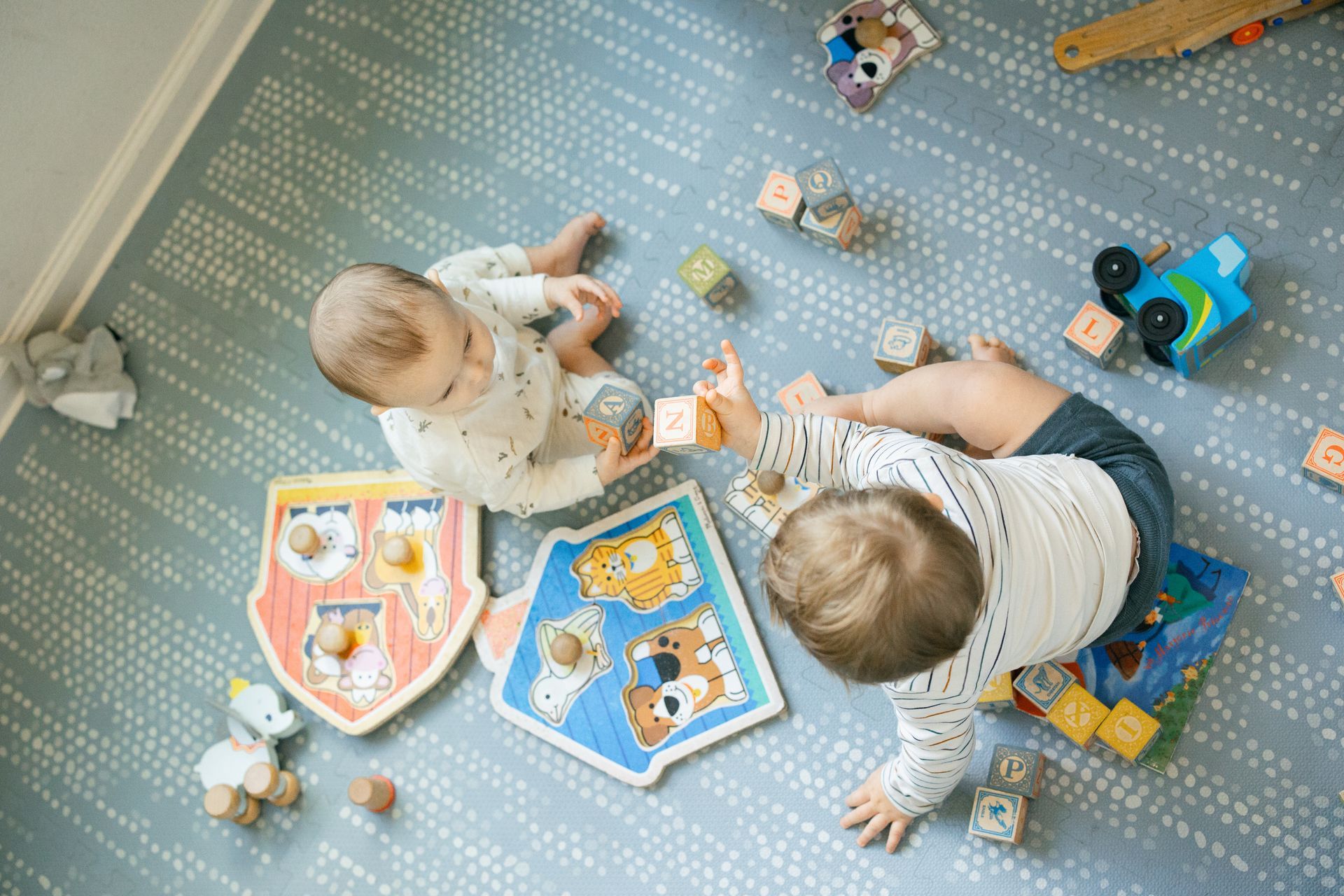
If you are a parent, you already know that Christmas can feel like a lot. There is more excitement, more sugar, later nights, fewer routines, and bigger emotions. While the season is filled with joy and anticipation, it can also be overwhelming for children whose nervous systems are still developing. That overwhelm often shows up as meltdowns, hyperactivity, difficulty focusing, poor sleep, or frequent sickness. What we often remind families at LWC is this: the holidays do not create these challenges. They reveal how well a child’s nervous system is able to adapt to increased stress and stimulation.
God designed the human body with an incredible ability to adapt, heal, and regulate. When the nervous system is functioning well, children are better equipped to handle changes in routine, emotional excitement, and physical stressors. When it is not, even joyful experiences can feel like too much.
The Nervous System Is the Control Center
The nervous system is the master control system of the body. It coordinates communication between the brain and every organ, tissue, and cell. This includes emotional regulation, focus and attention, sleep cycles, digestion, stress responses, and immune system function. God’s design is intentional and interconnected. Nothing in the body works in isolation.
When a child’s nervous system is regulated, their body can move smoothly between activity and rest. They can get excited and then calm back down. They can adapt to stimulation and recover from it. When the nervous system is overstimulated or stressed, however, the body can become stuck in a protective survival state. During the Christmas season, children are exposed to increased sensory input, social demands, schedule changes, and more frequent exposure to germs. For a nervous system already under strain, this additional load can push the body beyond its adaptive capacity, leading to behavioral challenges or repeated illness.
Stress Mode vs. Regulation Mode
From a neurological standpoint, the body is constantly receiving information from its environment and deciding how to respond. The autonomic nervous system plays a key role in this process, balancing between states of alertness and rest. Short periods of stress are normal and even healthy. Chronic stress, however, keeps the nervous system in a persistent fight-or-flight state.
When a child remains in this survival mode, the body prioritizes protection over growth and repair. Digestion slows, sleep becomes lighter or disrupted, emotional responses become exaggerated, and immune function is suppressed. This is not a flaw in the body. It is a protective design. the nervous system is designed to keep us alive during danger. The problem arises when the body never receives the signal that it is safe to return to regulation.
A regulated nervous system allows the brain and body to communicate clearly, respond appropriately to stress, and recover efficiently. This regulation is foundational to both emotional stability and physical health.
How Neurologically Based Chiropractic Supports Regulation
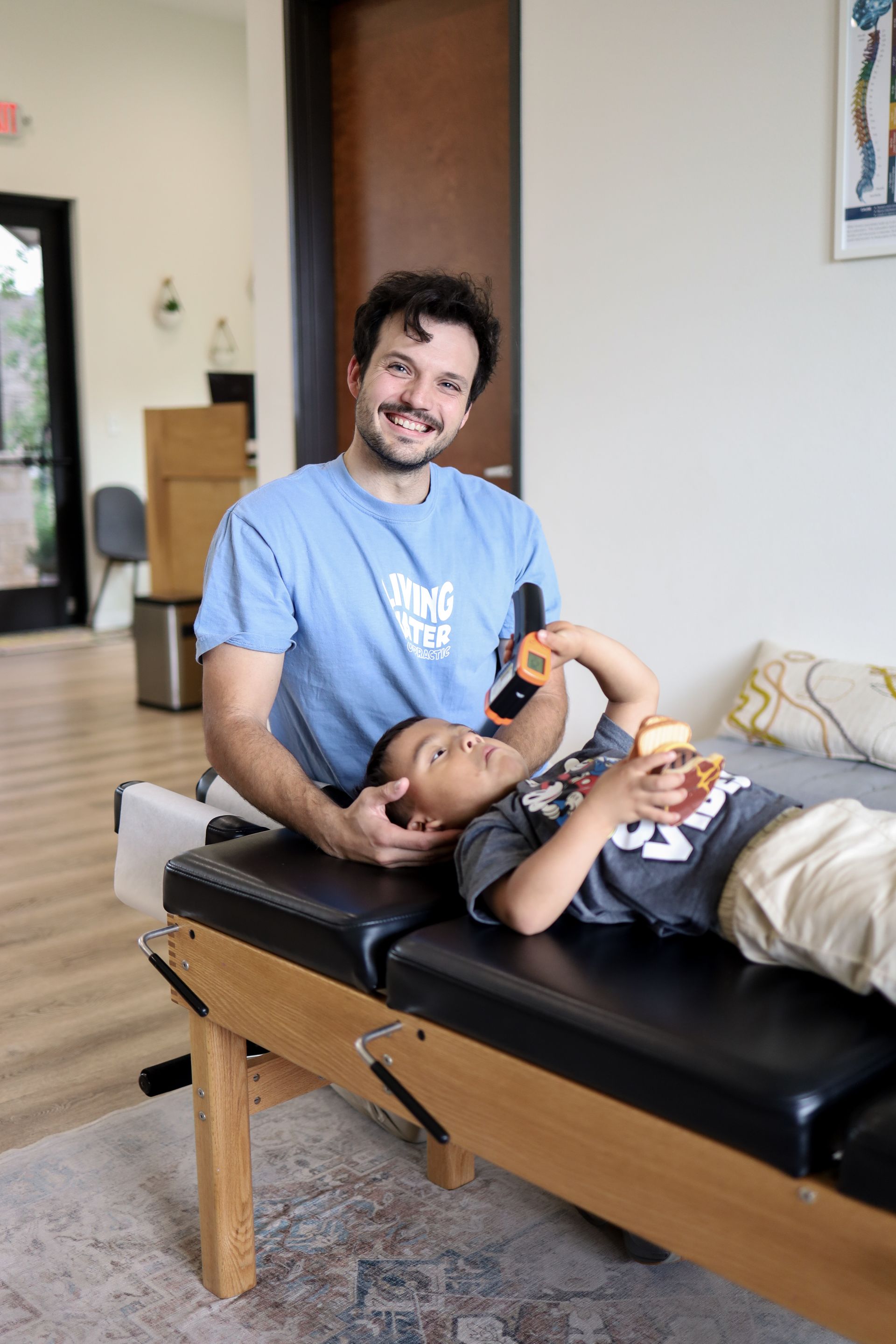
Neurologically based chiropractic care focuses on supporting the function of the nervous system by reducing interference along the spine, where the brain and body communicate. The spine houses and protects the spinal cord, which is a major communication pathway between the brain and the rest of the body. When this communication is disrupted, the nervous system can struggle to regulate stress responses effectively.
By gently restoring motion and reducing neurological interference, chiropractic care helps the nervous system shift out of constant survival mode. This allows the body to redirect energy toward growth, healing, and immune function. Research increasingly shows that nervous system regulation plays a critical role in emotional balance, immune health, and resilience, especially in children during periods of high stimulation.
The body was created to heal itself when interference is removed and proper communication is restored.
The Nervous System and the Immune System Connection
The immune system does not function independently. It is directly regulated by the nervous system. The brain continuously communicates with immune cells, influencing inflammation, immune response, and recovery. When the nervous system is under chronic stress, immune responses become weaker and less coordinated.
This helps explain why many children get sick after big events, travel, or emotionally intense seasons. Their bodies have been operating in stress mode for too long. By supporting nervous system regulation, neurologically based chiropractic care helps create an internal environment where the immune system can function as designed. During the busy Christmas season, this support becomes especially important.
What Families Often Notice During the Holidays
Families whose children receive regular neurologically based chiropractic care often report fewer emotional extremes, improved focus, better sleep even with changes in routine, and greater resilience during busy or overstimulating days. Many also notice that their children recover more quickly when exposed to illness. The goal is not to eliminate stress or create a perfect holiday. Stress is part of life. The goal is to support a nervous system that can adapt to stress without becoming overwhelmed.
A Different Way to Experience Christmas
Christmas does not have to feel chaotic or exhausting. Children are meant to experience the joy, wonder, and connection of the season, not simply survive it. When their nervous system is regulated and their immune system is supported, the holidays become more manageable and more meaningful.
True calm does not come from controlling every external factor. It comes from internal regulation. True health begins in the nervous system. Supporting that innate design allows children to thrive, even during the busiest seasons.
From our LWC family to yours, we pray this Christmas is filled with peace, connection, and health! If that's what you're seeking after for your family, reach out to us to book your first scans today!
Sources:
- Porges, S. W. (2011). The Polyvagal Theory: Neurophysiological Foundations of Emotions, Attachment, Communication, and Self-Regulation. Norton & Company.
- McEwen, B. S. (2007). Physiology and neurobiology of stress and adaptation. Physiological Reviews, 87(3), 873–904.
- Tracey, K. J. (2002). The inflammatory reflex. Nature, 420(6917), 853–859.
- Dantzer, R., O’Connor, J. C., Freund, G. G., Johnson, R. W., & Kelley, K. W. (2008). From inflammation to sickness and depression. Nature Reviews Neuroscience, 9(1), 46–56.
- Thayer, J. F., & Sternberg, E. M. (2006). Beyond heart rate variability. International Journal of Psychophysiology, 61(3), 215–224.