The Missing Link in Childhood Immunity

January 14, 2026

Support Your Child's Natural Design

The Missing Link in Childhood Immunity

If your child seems to catch every cold, struggle with recurring ear infections, or never quite return to full health, you are not imagining it. This is an increasingly common pattern in childhood today.

By age three, roughly five out of six children will have experienced at least one ear infection. By age five, the vast majority of children in the United States have received at least one course of antibiotics. For many families, this becomes a familiar loop. Infection, medication, brief improvement, then another illness weeks later. Over time, parents are left asking an important question. Why does my child keep getting sick while other children seem unaffected?

To answer that question, we need to look beyond the immune system alone.


The Overlooked System That Controls Immunity

The immune system does not operate in isolation. It is inseparably connected to the nervous system and the hormonal system. Together, these form what neuroscience refers to as the neuroendocrine immune system. These systems constantly communicate and regulate one another.

The nervous system sits at the top of this hierarchy. It acts as the control center, interpreting stress, regulating inflammation, and deciding how strongly or weakly the immune system responds. When the nervous system is adaptable and balanced, immune responses are efficient and self-limiting. When the nervous system is under chronic stress, immune responses become disorganized.

Some children become more susceptible to infections. Others develop exaggerated inflammatory responses such as allergies, asthma, or eczema. Many fluctuate between both. The issue is not immune weakness. It is a regulation problem rooted in the nervous system.


Why the Nervous System Matters So Much

One of the most important neurological structures involved in immune regulation is the vagus nerve. This nerve originates in the brainstem and travels through the neck to the heart, lungs, and digestive tract. The digestive system alone houses the majority of immune tissue in the body.

The vagus nerve plays a key role in what neuroscience calls the inflammatory reflex. It monitors immune activity and signals when to escalate or calm inflammation. Once a threat is resolved, the vagus nerve helps turn the immune response off so the body can return to balance.

When vagal function is compromised, inflammation does not shut down efficiently. The immune system remains on high alert even when no real threat exists. Over time, this chronic activation becomes the child’s baseline state.

From a nervous system perspective, this is similar to a car with a gas pedal that stays pressed and brakes that no longer respond well. The system is not broken. It is overstimulated and unable to recover.


How Early Life Stress Shapes Immunity

The vagus nerve exits the skull through the upper cervical spine, an area particularly vulnerable during birth. Mechanical stress during delivery, especially when combined with medical interventions, can alter how the upper neck and nervous system function together.

When this area experiences strain or misalignment, neurological communication between the brain and body can become distorted. Chiropractors refer to this pattern as subluxation, meaning altered motion and altered neurological signaling.

When this occurs early in life, the nervous system may default into a stress-based survival pattern. Instead of switching smoothly between activation and rest, it remains biased toward fight or flight physiology. Over time, this influences digestion, sleep, immune development, and inflammatory control.

Common early signs often follow predictable patterns. Excessive crying or colic, reflux, difficulty with bowel movements, disrupted sleep, and recurrent infections are not isolated issues. They reflect an underlying nervous system that is struggling to regulate itself.


Why Symptoms Accumulate Over Time

As a child grows, stressors add up. Prenatal stress, birth strain, disrupted sleep, environmental exposures, repeated infections, and antibiotic use all influence nervous system development and gut health.

This creates a feedback loop. Nervous system stress affects digestion and the microbiome. A disrupted gut weakens immune signaling. Frequent infections lead to medications that further alter gut and immune balance. The nervous system becomes even more reactive, and the cycle continues.

Children do not simply outgrow this pattern. It often evolves. Early digestive issues may shift into recurrent infections, then into allergies, immune dysregulation, or chronic inflammatory conditions later in childhood.

This is also why dietary changes and supplements often help only temporarily. Supporting immune function without addressing the neurological control system limits long-term results.


A Neurological Approach to Healing

The body is designed to heal when interference is reduced. The goal is not to force the immune system to work harder, but to restore the nervous system’s ability to regulate immunity naturally.

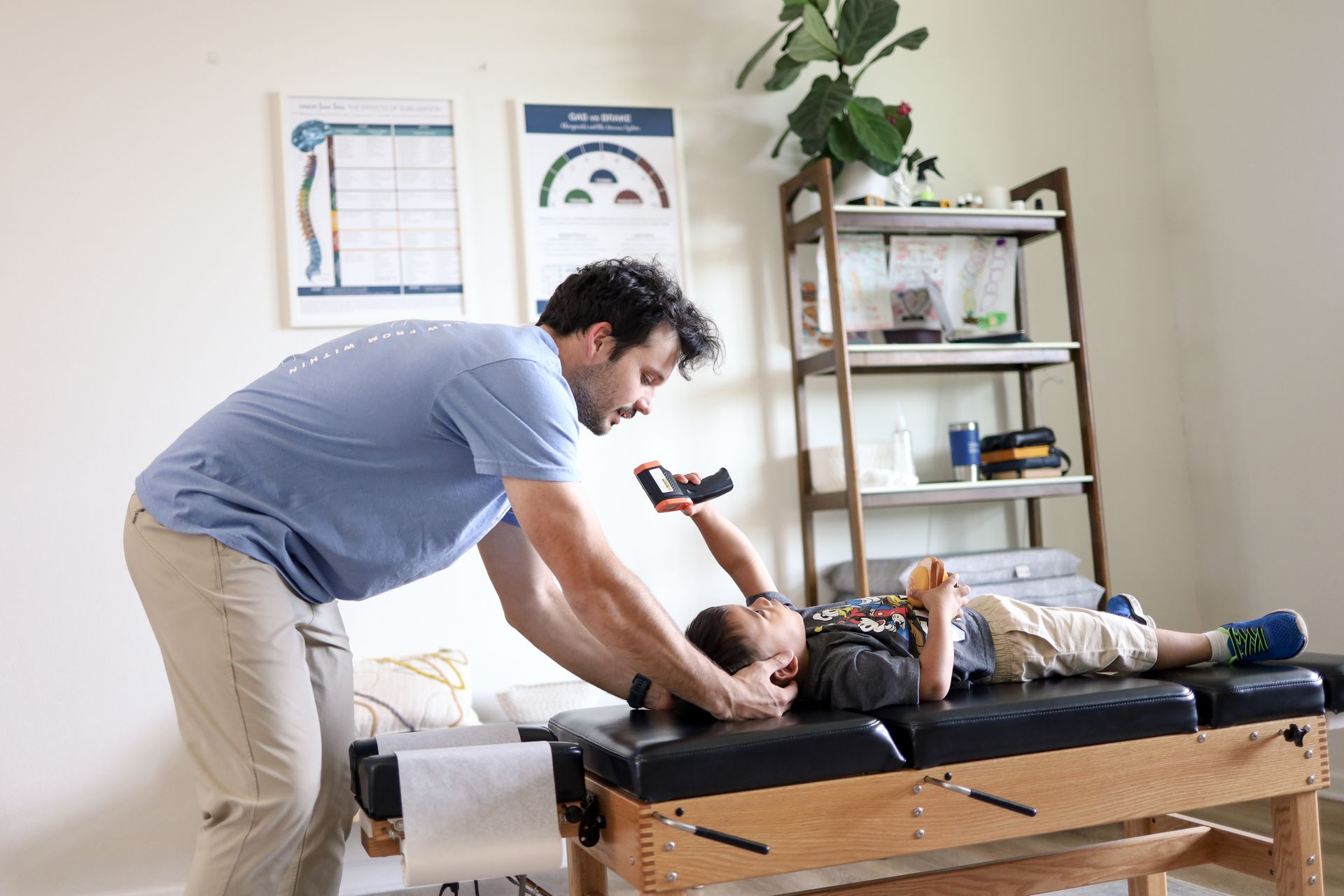
At Living Water Chiropractic, we focus on identifying and correcting patterns of nervous system stress. Using INSiGHT scanning technology, we assess how the nervous system is adapting, where it is overloaded, and how well it can shift out of stress physiology.

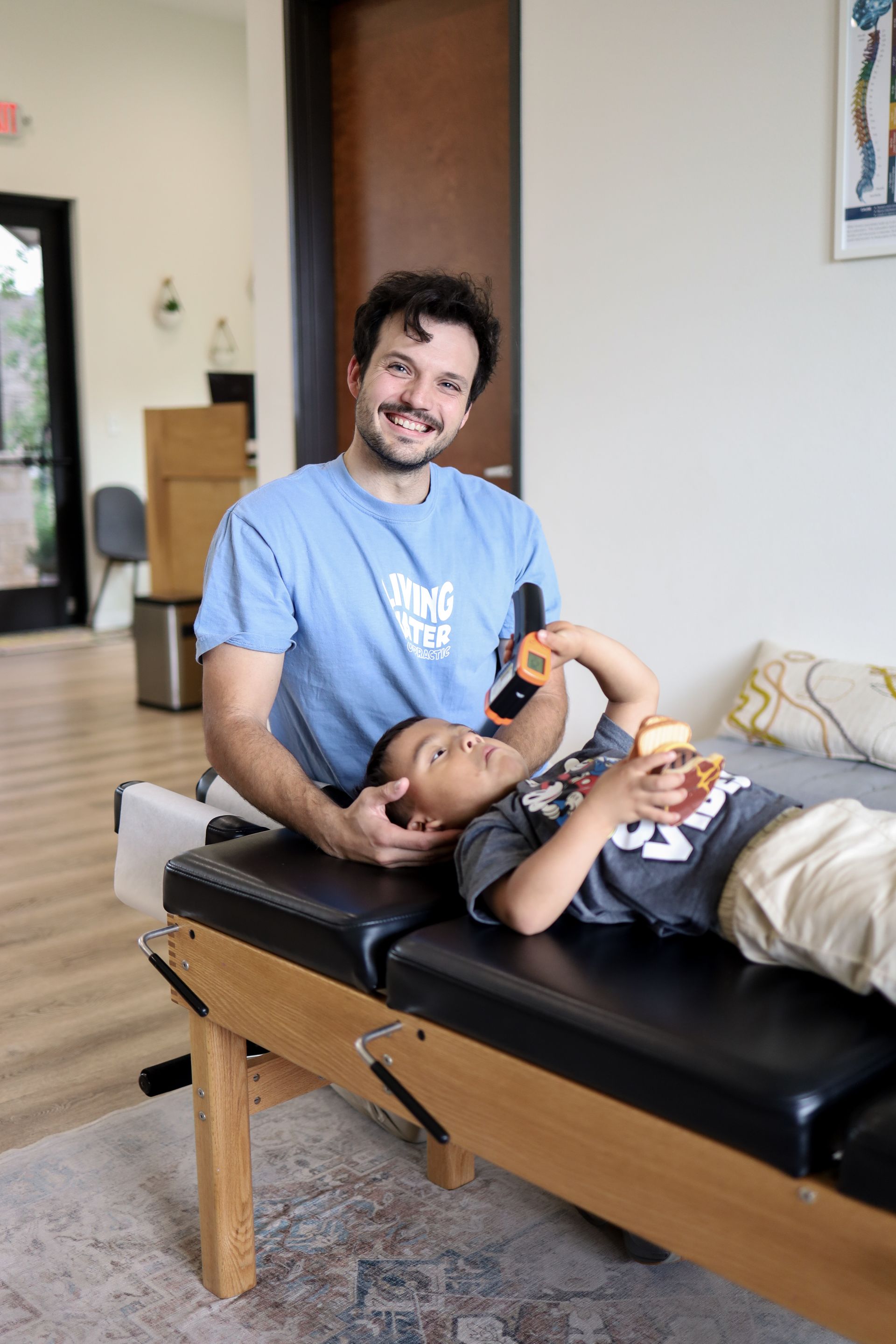
Gentle, specific chiropractic adjustments are then used to reduce interference in the upper cervical spine. As neurological communication improves, the vagus nerve can better regulate inflammation, digestion, and immune responses. Many families notice changes not only in immune resilience, but also in sleep, digestion, mood, and overall adaptability.


Supporting Your Child’s Natural Design

You know your child. You know when something is not right. Recurrent illness is not something to dismiss or wait out indefinitely.

This approach is not about doing more. It is about removing obstacles that prevent the nervous system from functioning as it was designed to. When regulation improves, the body often does the rest.

If you are ready to explore a neurological perspective on your child’s health, contact Living Water Chiropractic to schedule a consultation! If you are not local, the PX Docs directory can help you find an office near you.

Your child’s body already has the intelligence to heal. Sometimes it simply needs the nervous system restored so that intelligence can be expressed.


People seated in a bright meeting room watching a presentation on a large screen.
By Ashley Bersani May 29, 2026
Discover how nervous system regulation helps kids with anxiety, ADHD, sensory challenges, and sleep issues thrive. Serving families in Boerne, TX.
May 28, 2026
What Is Subluxation? Understanding the Missing Piece Behind ADHD, Autism, Anxiety, and Chronic Childhood Health Challenges If you’ve taken your child to specialist after specialist, tried therapy after therapy, changed diets, added supplements, and still feel like you’re missing something important — you are not alone. Many parents today are searching for answers to chronic childhood challenges like: ADHD Autism Anxiety Sensory Processing Disorder Sleep struggles Chronic ear infections Digestive issues Emotional dysregulation Immune challenges And despite all the appointments and interventions, many families still feel stuck. At Living Water Chiropractic, we believe one of the most overlooked pieces of the puzzle is the nervous system — specifically a condition called subluxation. Understanding subluxation may completely change the way you view your child’s health and healing. What Is Subluxation? Most people think subluxation simply means “a bone out of place.” But neurologically-focused chiropractic care looks much deeper than structure alone. Subluxation is a neurological stress condition that interferes with healthy communication between the brain and body. It typically involves three major components: 1. Misalignment Within the Neurospinal System Physical stress and tension can create shifts within the spine, especially in the upper neck and brainstem regions. 2. Restricted Motion and Joint Dysfunction When joints lose healthy movement, the nervous system loses important sensory input that helps regulate balance, coordination, posture, and body awareness. 3. Neurological Interference As the nervous system becomes stressed and dysregulated, the brain begins receiving distorted stress signals instead of calm, balanced communication from the body. In simple terms, subluxation disrupts the body’s ability to regulate and adapt appropriately. Why the Nervous System Matters So Much Your child’s nervous system controls and coordinates every major function in the body. That includes: Sleep Digestion Immune function Emotional regulation Focus and attention Sensory processing Motor development Behavior When the nervous system becomes overwhelmed and stuck in chronic stress mode, symptoms often begin appearing across multiple systems at once. This is why many children experience seemingly unrelated issues that continue evolving over time. For example: Colic may progress into chronic ear infections Ear infections may become sensory challenges Sensory dysregulation may later appear as ADHD or anxiety Digestive dysfunction may occur alongside behavioral struggles These are often not isolated conditions. They are signs of an overwhelmed nervous system. Understanding Proprioception and Stress Signals One of the most important concepts parents can understand is how the brain receives information from the body. Healthy joints and muscles constantly send calming, organizing signals to the brain through a process called proprioception. Proprioception helps the brain understand: Where the body is in space How to coordinate movement How much muscle tone is needed Whether the body feels safe and regulated But when spinal joints become restricted or stressed, those healthy signals decrease. At the same time, stress and threat signals increase. This leaves many children stuck in a chronic “fight or flight” state where the brain constantly perceives danger or overload — even when no true threat exists. This nervous system stress can contribute to: Meltdowns Anxiety Hyperactivity Sensory overload Sleep difficulties Emotional dysregulation Chronic tension Immune challenges What often looks behavioral on the outside may actually be neurological on the inside. Why the Brainstem and Upper Neck Are So Important The upper cervical spine and brainstem play a major role in nervous system regulation. This area helps control: Breathing Digestion Heart rate Immune responses Sensory filtering Motor coordination Stress adaptation The brainstem also works closely with the Vagus Nerve, one of the body’s most important calming and regulatory pathways. When stress, tension, or subluxation affects this region, children may struggle to properly regulate their nervous system responses. This is why nervous system dysfunction can look so different from child to child. Some children develop sensory challenges. Others struggle with immune dysfunction, emotional regulation, speech delays, sleep issues, focus problems, or motor coordination difficulties. Different symptoms can often trace back to the same neurological stress patterns. How Subluxation Develops: The “Perfect Storm” Most children do not develop chronic nervous system stress from a single event. Instead, we often see a buildup of stressors over time — what we call the Perfect Storm. Prenatal Stress High levels of stress during pregnancy can impact a baby’s developing nervous system long before birth. Stress hormones influence neurological development and may increase nervous system sensitivity early in life. Birth Stress and Birth Interventions Difficult or highly medicalized births can place significant tension on a newborn’s upper neck and nervous system. Common stressors include: Forceps delivery Vacuum extraction Induction Prolonged labor Emergency C-sections These interventions may affect the brainstem and vagus nerve regions that are critical for healthy regulation. Environmental and Immune Stress Today’s children are exposed to significantly higher levels of environmental stress than previous generations. Factors may include: Chronic inflammation Gut microbiome disruption Processed foods Toxin exposure Repeated antibiotics Immune system stress Over time, these stressors can overwhelm a child’s ability to adapt and regulate effectively. Signs of Nervous System Dysregulation in Children Every child expresses nervous system stress differently, but common signs may include: Physical Signs Colic Reflux Constipation Chronic ear infections Poor sleep Frequent illness Low or high muscle tone Toe-walking Coordination challenges Sensory and Behavioral Signs Sensory sensitivities Meltdowns Difficulty calming down Emotional dysregulation Hyperactivity Anxiety Sensory seeking behaviors Developmental Signs Speech delays Focus difficulties Motor delays Tics or stimming Challenges with social engagement These symptoms are often signs of a nervous system struggling to stay regulated under chronic stress. Why This Often Gets Missed Traditional healthcare often focuses on symptom management rather than nervous system regulation. Many providers are not trained to evaluate autonomic nervous system dysfunction, vagus nerve stress, or neurological subluxation patterns. As a result, families are frequently left managing symptoms without fully understanding the neurological stress underneath them. At Living Water Chiropractic, we take a different approach. How Neurologically Focused Chiropractic Care Helps We use advanced INSiGHT™ Scans to evaluate how your child’s nervous system is functioning. These scans help us assess: Stress patterns Dysautonomia Muscle tension Neurological imbalance Adaptability of the autonomic nervous system Rather than guessing, we use objective measurements to better understand what your child’s nervous system is experiencing. From there, gentle neurologically-focused chiropractic adjustments are designed to help restore healthy communication between the brain and body. The goal is to help your child shift out of chronic stress mode and into a more regulated state. Why Regulation Comes Before Progress One of the biggest breakthroughs families experience is realizing that nervous system regulation creates the foundation for healing. When the nervous system becomes more balanced, other therapies and interventions often begin working more effectively too. Parents commonly notice improvements in: Sleep Digestion Emotional regulation Focus Sensory processing Immune resilience Overall adaptability Healing is not usually random. When the nervous system becomes more regulated, the body often begins healing in a more organized and predictable sequence. There Is Hope for Your Child If this sounds familiar, please know this: Your child is not broken. Their symptoms are not random. And you are not failing as a parent. Many children struggling with ADHD, autism, anxiety, sensory challenges, chronic illness, or developmental delays are living with an overwhelmed nervous system that has never fully had the chance to regulate and heal. At Living Water Chiropractic, we help families uncover the neurological stress patterns that may be contributing to their child’s challenges and create a personalized path forward. If you’ve been searching for answers, we would love to help. Contact Living Water Chiropractic today to schedule a consultation and discover whether neurologically-focused chiropractic care may help your child thrive.
By Ashley Bersani May 28, 2026
Discover how nervous system dysregulation may contribute to ADHD, autism, anxiety, sensory issues, and chronic illness in children — and how neurologically focused chiropractic care can help.