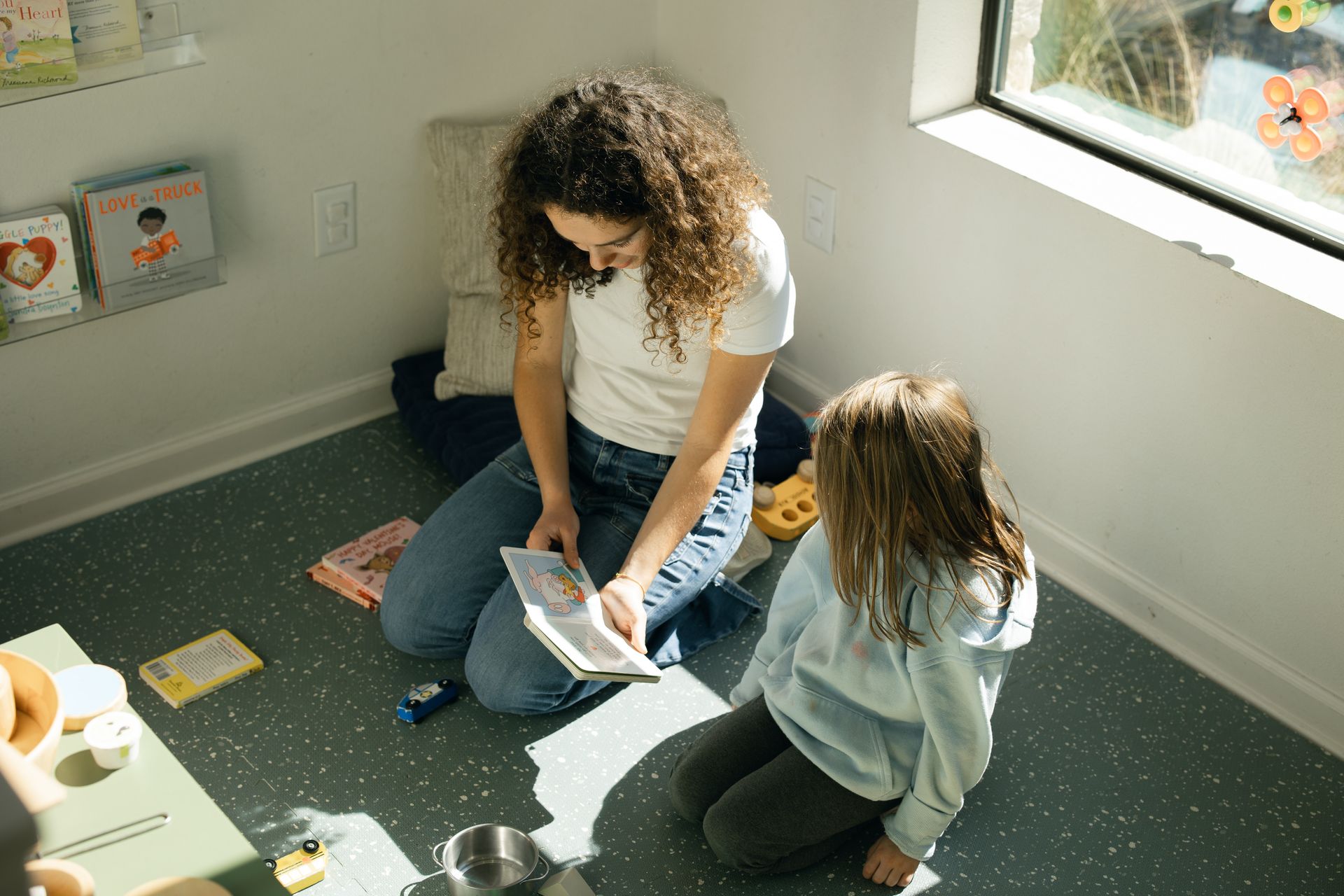
Why Seasonal Changes Hit Some Children So Hard
Every winter, many parents notice the same pattern unfolding again.

As the days grow shorter, their child’s energy fades. Motivation dips. Emotions feel harder to regulate. Meltdowns that felt more manageable in late summer suddenly return. Anxiety that once felt quieter seems louder again.
You may have heard the common explanations. Seasonal depression. Less sunlight. Changes in brain chemistry. The suggested solutions often follow quickly. More supplements. Light therapy. Sometimes medication.
And yet a deeper question lingers.
Why does your child struggle so predictably every single year while their sibling or classmates seem relatively unaffected?
That question matters, because the answer changes how you approach your child’s health, not just during winter, but all year long.
The Pattern You Cannot Ignore
If this feels familiar, you are not alone.
In August and early September, life feels more manageable. Sleep is reasonably consistent. Digestion feels steadier. Emotional ups and downs exist, but you have found a rhythm that works.
Then October arrives. November follows. And it can feel like everything unravels.
Sleep becomes a battle. Stomach issues resurface. Emotional regulation feels fragile. Behaviors you thought were behind you return with intensity. You try earlier bedtimes, tighter routines, dietary changes, and more structure, yet nothing seems to bring lasting relief.
This is not coincidence. It is not poor parenting. And it is not imagined.
Your child’s nervous system is communicating something important. It is running with very little reserve.
Understanding Your Child’s Nervous System Reserve
Think of your child’s nervous system as the foundation that supports everything else. It regulates sleep, digestion, emotions, focus, immune function, and the ability to adapt to stress.
When the nervous system has adequate reserve, it can respond to challenges and then return to a calm, regulated state. A child can engage with school, friendships, and disappointment, then settle back into rest and recovery.
When reserve is low, even small demands can feel overwhelming. The system stays in a state of heightened alertness, and rest becomes harder to access.
Rather than moving smoothly between action and calm, the body remains stuck in survival mode. Over time, this becomes exhausting for both the child and the family.
Why Seasonal Transitions Become the Breaking Point
Seasonal changes place additional demands on the nervous system.
Shorter days require adjustments in sleep rhythms. Reduced sunlight challenges mood regulation. Colder weather asks the body to regulate temperature differently. Immune demands increase during cold and flu season.
For a child with strong nervous system reserve, these adjustments happen quietly in the background. For a child whose system is already stretched thin, seasonal transitions can feel like the final straw.
When there is no reserve left, the body prioritizes survival. Sleep, digestion, emotional regulation, and behavior often suffer first. What parents see on the outside reflects what is happening internally.
This is often described as neurological exhaustion. It explains why the same child struggles every winter, even when nothing else has changed.
How This Pattern Often Begins Earlier Than You Think
For many children, seasonal vulnerability did not begin this year. It often started much earlier.
The nervous system begins developing before birth and continues rapidly through the early years of life. During this time, it is especially sensitive to stress and physical strain.
Stress during pregnancy can influence how a developing nervous system learns to respond to the world. Birth itself can be physically demanding, especially when interventions are necessary. Early challenges such as colic, reflux, frequent infections, or repeated antibiotic use can add additional strain.
These experiences are common and often unavoidable. They are not about blame. They help explain why some nervous systems have to work harder to regulate and adapt.
As children grow and life demands increase, these early stress patterns can become more visible, especially during times of added demand like seasonal transitions.
What This Means for Your Child and Your Family
Hearing this can feel heavy at first. Many parents wonder if their child has been struggling for years without the support they needed.
Here is the hopeful truth.
Your child is not broken. Their nervous system is not failing. It is doing its best with the reserve it has available.
The nervous system is designed with wisdom, order, and the ability to adapt and heal. When given the right support, it can rebuild resilience over time. Seasonal struggles are not a life sentence. They are a signal that support is needed at a foundational level.
A More Rooted Approach to Winter Struggles
Many families have already tried common winter strategies. Light exposure. Supplements. Sleep aids. Dietary changes. Some of these may offer partial relief.
But when the root issue is nervous system dysregulation, surface level strategies often fall short.
Neurologically based chiropractic care focuses on supporting communication between the brain and body by addressing physical stress within the spine. When movement and alignment are restricted, the nervous system can struggle to regulate efficiently.
Chiropractic care does not treat seasonal depression or fix behaviors. Instead, it helps reduce neurological interference so the nervous system can shift out of constant stress and into regulation.
As nervous system communication improves, children often experience better sleep, calmer digestion, improved emotional regulation, and greater adaptability. These changes reflect a system that is no longer stuck in survival mode, but is gaining the capacity to respond and recover.
Why Chiropractic Support Can Matter More in Winter
Because fall and winter demand more from the nervous system, this is often when children with low reserve struggle most. Supporting nervous system regulation before and during these months can make a meaningful difference.
Rather than chasing symptoms, chiropractic care addresses the foundation that influences how all systems work together. It supports the body’s ability to adapt to seasonal changes with greater ease.
Parents often notice that their child seems more settled, more resilient, and better able to handle daily stress as care continues. Not because anything is being forced, but because the nervous system is being allowed to function as designed.
Your Next Step Forward
If your child struggles predictably each fall and winter, it is worth paying attention to that pattern.
This is not about blaming yourself or wishing the past were different. It is about understanding what your child’s body is asking for now.
Seeking care that supports nervous system regulation can be a powerful step toward changing how your child experiences winter, and how your family experiences it together.
Healing and regulation take time, but the nervous system is capable of remarkable change when supported well.
This winter does not have to feel like something you simply endure. With the right foundation in place, your child can move through the season with more energy, emotional balance, and resilience.
You have already been a faithful advocate for your child. Supporting their nervous system may be the missing piece that allows their body to do what it was intentionally designed to do, adapt, regulate, and thrive through every season. Reach out to Living Water Chiropractic today to schedule your child's first Nervous System Scan to understand, support, and help regulate your child's nervous system!